

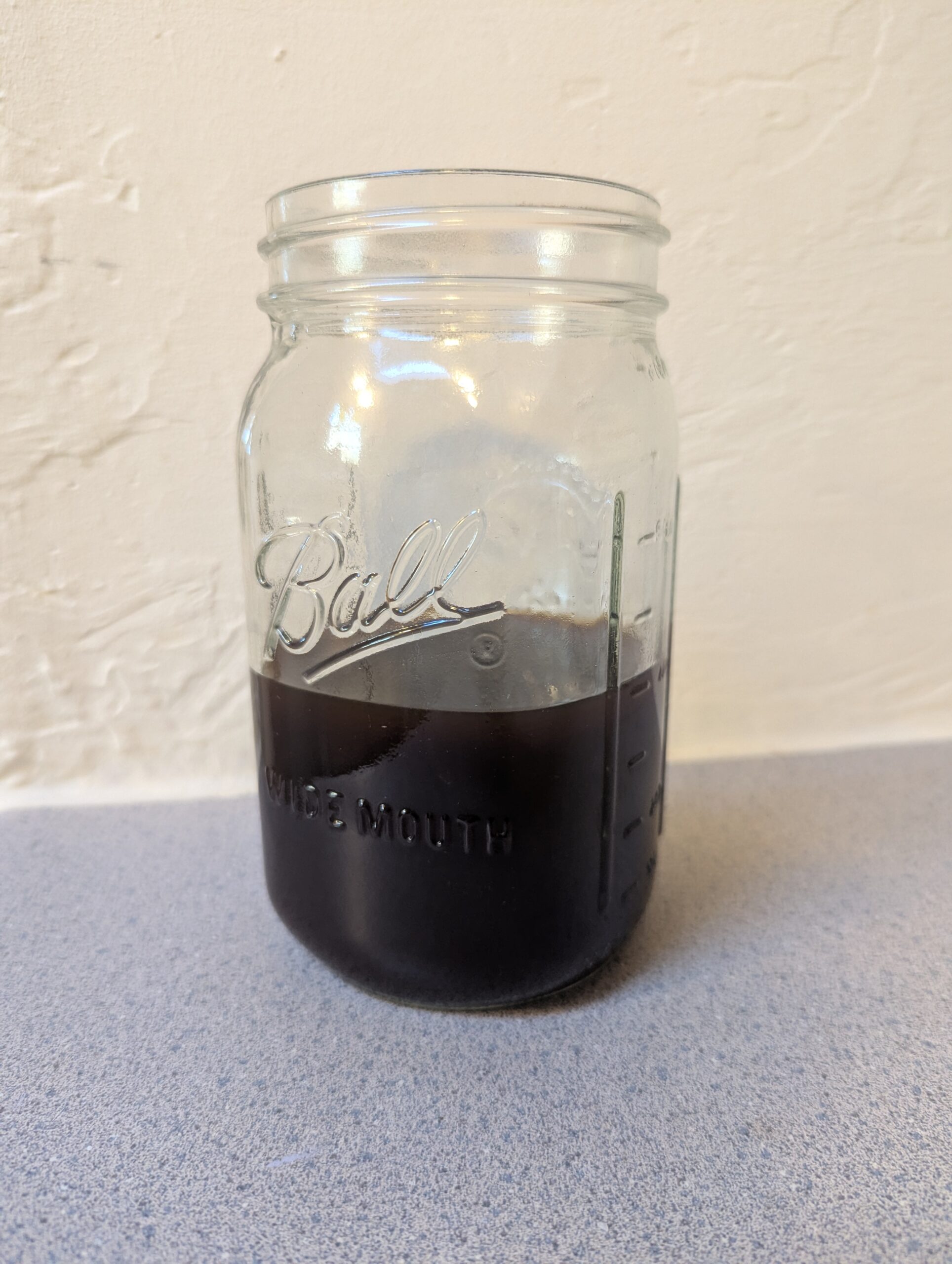
Coffee Enemas
By Sheila Dobson, NC
Updated April 2026
Enemas are ancient — so ancient that there is evidence that they were done thousands of years ago. Most people have a grandmother or grandfather that is familiar with them. But in recent times enemas seem, perhaps, outdated or unnecessary. And using coffee to do an enema? How strange, right?
Read on to discover the history of this practice, and how the procedure might help you. In all cases, however, proceed with caution and get professional advice when you are unsure about your own situation and whether this is a good route for you to take for improving your own health.
Coffee enemas are in fact a time honored method of helping to cleanse and detoxify the body through the actions that they have, mainly upon the liver. The liver and intestines are typically quite toxic and dysfunctional in modern people. This toxicity then causes toxins to accumulate in the rest of the body.
Expecting a toxic liver to cleanse and detoxify a body that is also toxic is like trying to clean a dirty floor with a vaccum cleaner that has a full bag and a clogged filter. It just doesn’t work well and a lot of energy is wasted.
A Brief History Of The Coffee Enema
Coffee enemas were used in the ‘40’s and ‘50’s in this country by two famous doctors, Dr. Max Gerson and Dr. William Kelley. These doctors did not invent the coffee enema; they did however, learn how to use them effectively and they helped make them a well understood approach now deeply embedded in many natural and holistic approaches to health commonly practiced in this country. Coffee enemas are excellent to address the increasing problem of very toxic bodies that is now almost the norm in the modern world.
In particular, this procedure was used to assist in cancer therapy. Cancer is, however not the only condition for which enemas are very helpful. Dr. Gerson utilized not just the enemas but also raw vegetable juices and a very clean diet to help people overcome cancers. Dr. Kelley, his contemporary learned of Dr. Gerson’s approach to treating cancer and treated himself for pancreatic cancer with that approach. He went on to develop an approach to treating cancer that worked in his own case, involving the use of high dose pancreatic enzymes. It is controversial as to whether this approach has actual merit.
These two doctors were famous for curing people of cancers in that era; though each differed from the other in their techniques. In fact, they were hated and persecuted by the “authorities” for assisting people with these cures and subsequently forced to leave the country to avoid being targeted and continue to help people.
Why Coffee?
Coffee is a unique substance which has several effects on the body generally and in particular, effects on the liver, whether you drink it or use it in an enema. However, to get the most most powerful detoxification effects, it must be used in an enema. The main aspect of coffee which makes it beneficial for this purpose is that it is full of sulfur compounds, and sulfur is a very important element that is needed in a great number of different detoxification processes in our bodies.
Coffee also has a very strong energetic impact on the body, tending to clear energetic interferences of all kinds, for example lingering energetic effects of traumas, unprocessed emotions, stressors and negative or difficult thoughts. Even energetic “residues” that we pick up when we are out and about in the world, interacting with others, can be assisted to be released when we utilize the coffee enema procedure. Thoughts and emotions have effects on our physical bodies, and not only that, it is known in the world of holistic medicine that unprocessed emotions oftentimes settle in, and then are stored in our livers. For this reason, sometimes when a person is wound-up, stressed, anxious or unsettled about something, it can be very helpful to do a coffee enema both for the energy clearing/cleansing effect and also the liver cleansing effect.
According to Max Gerson MD, the main benefit of coffee enemas is to enhance elimination of toxins through the liver. This happens for several reasons. The first is the presence of the sulfur compounds in the coffee, another is the increase in bile flow that the coffee and those compounds generate in a person’s body, and the third is the fact that the coffee’s presence in the colon triggers the liver to “turn on” the detoxification process due to a certain feedback loop. In this feedback loop, the body is sensing the coffee in the colon and through this feedback mechanism the liver knows that it must turn on its detox processes to cleanse itself; so the body actually begins to cleanse and detoxify the liver itself. As the liver becomes cleaner, then it can perform its functions of cleansing the rest of the body much more effectively. The name for this feedback loop is called the entero (intestinal) hepatic (liver) circulation – or enterohepatic circulation. This is a direct “highway” of information that flows between the liver and the intestines.
Each of these effects, the increased bile flow, the turning on of the body’s detox processes, and the presence of the sulfur compounds acts in various additional ways upon the body. For instance, increased bile flow helps to chemically and mechanically move toxins out of the intestines and liver. It also helps to alkalinize the small intestine, and this improves digestion. Coffee also has an astringent action in the intestines, helping to remove stagnant material from the intestines.
Research Has Shown The Benefits Of Coffee Enemas
Research investigating the actions of coffee enemas has shown both an increased release of bile from the liver and an increase in levels of circulating glutathione – the body’s major antioxidant – during and following a coffee enema.
In the early part of the last century, coffee enemas were in fact routinely given in hospitals to cleanse the intestines prior to a surgery and some other procedures. They were listed in the Merck Manual, a basic handbook for physicians, back in that era. Not until the later half of the last century were they abandoned in favor of pharmaceutical interventions to accomplish these same goals.
How Are Coffee Enemas Used?
Coffee enemas are an adjunctive therapy that I include in all Nutritional Balancing nutrition plans that I write for adults. Though coffee enemas can be very helpful in children and even babies, they are rarely needed in the very young. It is worth noting however that at times to give a coffee enema to a very young person can bring down a fever or stop some other alarming and potentially dangerous health event. And of course, in some young people toxicity IS a problem, and regular use of coffee enemas can help to restore the body to health by removing toxins. I do not recommend attempting coffee enemas in a child without guidance, however, as any child who needs these should ideally be supervised on their health recovery journey.
The usual method of employing the coffee enema is to do one coffee enema per day, at minimum, for anyone who needs help with intestinal and liver health, as well as detoxification support. In cases where toxicity is more severe or potentially dangerous, such as if there is cancer, concern about cancer or another illness linked to significant toxicity in the body, the usual routine is to do at least two and up to four coffee enemas per day.
Usually if more than two enemas per day are needed, the procedure is to do a “back to back” set of two enemas, one to two times per day. So for example, if a person has cancer, it is often best for them to do back to back enemas in the morning and again in the afternoon or evening.
Doing Coffee Enemas Safely
There are some safety concerns with coffee enemas; though I will admit that NOT doing coffee enemas CAN be a bigger concern for some people than doing them and getting some minor aspect of how to do them incorrect. The reason for this is that these are a life-saving intervention, often, for people who need them. Probably the biggest safety concern is that the procedure is not necessarily advised for anyone and everyone who thinks that they have a toxicity concern. The reason for this is that some individuals who are unwell are so ill that even the tiniest stressor can unbalance them. If you are in this situation, you likely need coffee enemas but should not attempt them without a knowledgeable guide.
A person who is very ill or nutritionally depleted can usually do coffee enemas IF they are on a complete health recovery plan. There must be a balance between the amount of cleansing that is attempted and the degree of strength of the person’s body for withstanding cleansing. Cleansing and detoxification are stressors. So for this reason, the diet needs to be adequate, especially as regards the total quantity of food consumed per day but also the quality of that food. Typically nutritional supplements are needed to help balance and support the body. Coffee enemas can actually SAVE a person’s life, if done correctly but they need to be carefully managed in very weak or very sick people.
Other safety concerns are to use good quality organic coffee and proper, clean enema equipment. More about this in the procedures section.
How Much and How Long
Most people who have developed any kind of illness or poor health or toxicity (which is most people, by the way, once they reach middle age) – need to do coffee enemas daily or at least a couple times a week, for at least a year, and often two to three years, to fully cleanse and heal the body and the liver. If you are working with a practitioner, the practitioner will give you guidance in this area.
Problems and Contraindications
Most people can do coffee enemas without difficulties or problems. Enemas have been around since ancient times and most people alive now would have had a grandparent who was familiar with them, as they were a common home-health procedure in times past. There is a learning curve for getting used to the procedure, but aside that, there is usually no impediment for most people.
One problem that can show up early on in the process of learning to do coffee enemas is the problem of extreme sensitivity to coffee or caffeine. Most people are not very sensitive but a few people are highly sensitive. For these people, the usual technique that works well is to simply use a very very weak solution of coffee. We usually say to start with only 1 teaspoon of coffee in an enema for most people, but for someone who knows they are extremely sensitive they may want to start with even less, perhaps ½ teaspoon. The most sensitive people may be able to use only ¼ teaspoon of coffee in their enemas at first, but usually this quickly changes so that they can tolerate more. The benefits are still gained even when using tiny amounts of coffee.
The few concerns and contraindications that can arise typically relate to obstructions or abnormalities of the colon or the rectum. For example, hemorrhoids or fissures can create some discomfort that has to be worked around when doing the procedure. Often the solution is to utilize a catheter (which is very thin in diameter) rather than a regular enema tip. By and large, though, if you are able to have a bowel movement, you should be able to insert the tip of an enema tube into the rectum and allow coffee to flow into the colon. In essence, doing this and then retaining the coffee solution for a time, is all there is to it.
Once the coffee is in the colon, there is the goal that it will be retained for at least 15 and up to about 30 minutes before it is expelled. In the case of some people, however, the colon immediately tries to reject the coffee and so a person will have trouble holding the enema. This is par for the course when you are learning to do coffee enemas. The solution to the problem is to only use a small amount of the coffee solution at first — maybe only 1/2 cup — even less if you are extremely sensitive. It may also be necessary to use a very weak solution of coffee, as previously mentioned.
When learning the procedure, it may help to do it in the bathroom or very close to the bathroom and or to elevate your hips. All these things can help with the problem of being able to retain an enema or to get the solution to flow easily into the rectum. Usually problems with retention and sensitivity get better rapidly as a person gets the hang of the procedure and the body gains the benefits.
Do Coffee Enemas Create a Problem With Dependence Or Habituation?
As a rule, when done properly, no – they do not. At least, this is my experience using coffee enemas in my own healing and also guiding others for 15 years now with the use of the coffee enema.
There can however be times when a person does so many coffee enemas, for instance if they do back to back enemas once or twice a day, that they will cease to have bowel movements apart from releasing the contents of the bowel after an enema. Even when this happens, if the enemas are stopped, the bowels go back to functioning normally very quickly – typically within a day or two.
It is possible that someone with a chronic constipation condition can feel dependent on the enemas for relief of their condition, but if they are following a properly devised nutrition and healing plan, they will as a rule not make their constipation issue any worse, but rather better by doing coffee enemas because the healing benefits. Solving the problem of chronic constipation can take some time, so, just because a person still has chronic constipation even after starting a nutrition plan does not mean that the plan is not helping, it usually just means that the healing is still in process. It can take time to heal the liver, microbiome, thyroid, intestines and other body systems that have roles to play in the development of a problem like chronic constipation. Most people, in fact, ARE constipated and this is a health malady that leads to many other problems, so it is very wise to correct it.
When Is The Ideal Time Of Day For Coffee Enemas?
While it is okay to do an enema any time that you are able to fit one in, and they can be fabulous for helping correct or address a problem that flares up such as a headache, cold or flu, or a spell of overwhelming stress or emotion, there are cerain times that are best for doing an enema. One of these is right after a normal, natural bowel movement. This is helpful because it means the colon is relatively cleared of fecal material, so the coffee can enter the colon unimpeded. Even so, if constipation is a problem and the colon is not clear, there are ways to address this, so that the coffee can flow in more easily – the main one being to do a simple water enema first before doing the coffee enema.
Another ideal time to do a coffee enema is when you have not just had a meal. At such times the liver is already busy helping with digestion. So, ideally wait at least an hour after eating before doing a coffee enema.
It can be ideal to do your enema early in the day, following a bowel movement, but before your first meal. While this is not always possible, it is ideal.
For some people, especially those very sensitive to caffeine, it may be necessary to avoid doing a coffee enema near bedtime, as they may find that the coffee stimulates them. While there are people who are highly sensitive in this way, in my experience, such individuals are rare, especially after the learning and getting-accustomed phase is over. If you find that you are sensitive to the caffeine in coffee, you may have to reduce the strength of the coffee solution, and potentially also time the enemas carefully so that your sleep is not disturbed.
Now, On To The Procedure
The first thing that you will need to do is gather the correct equipment.
You will need
- An enema kit – I suggest finding a stainless steel enema bucket online; glass is also very good. An enema kit is rather simple so there is not too much guidance I need to give you on this. The company Pure Life has good quality equipment but you can find less expensive and still very serviceable and long lasting enema equipment elsewhere including on Amazon. The standard pink enema bag from the drugstore works too but these are harder to clean than a bucket.
- Coffee – this should be organic and ground; ideally it will be a medium roast but any kind of roast is fine; do not use decaffeinated coffee – this will not work
- A saucepan to cook up your coffee solution and some purified water
- A comfortable place to lie down – a yoga mat or cushion to lay on helps. If you choose to lay on a bed you will want to protect the bed covers using a chux pad or some other waterproof item. If you lie on the bathroom floor or in the bathtub this ensures you don’t have too far to go to get to the toilet when it is time to release the enema
- A way to hang that enema bag or bucket so that it is at least 2 and a half feet or so above the ground and up to three or so feet above ground; a doorknob, bed frame or a chair may provide a means to hang the enema apparatus. If you are doing the enema on a bed, you will need to find a way to hang the bag at the right height; it needs to be 2 ½ feet higher than your hips when you are lying down. A coatrack can work well.
- Something to read or listen to while doing the enema, or just plan to pray or meditate while you retain the solution. A timer or clock can be handy so you know when it is time to release the solution.
Making the coffee solution – for a single “serving”
- Put 2-3 cups of purified water in a saucepot (any type of purified water is okay for this purpose, even R.O.)
- Add between ¼ teaspoon – if HIGHLY sensitive to caffeine/coffee and up to 1 to 2 tablespoons of coffee to the pot of water. If it is a first enema, I suggest you start with 1 teaspoon, and only increase it if you know that this much is tolerated, working your way up to a full tablespoon.
- Boil the mixture for at least 5 and ideally 10 minutes – up to 12 minutes is okay, but not longer.
- Allow it to cool, or add a few ice cubes to speed cooling. Strain out the coffee grounds.
- Bring the total volume of your coffee solution back up to 2 or 3 cups by adding water or ice to adjust the volume and temperature. If it is your first attempt, you might want to just try 2 cups. Of course, the less water you use, the stronger the “brew,” so make adjustments based on how sensitive you seem to be. For a first attempt, you may want to use only 1 cup until you see how this works for you.
- PLEASE NOTE: You can also use coffee that has been brewed in a drip coffee maker or percolator; just keep track of the amount of coffee you used and the total amount of solution that is produced so that you know the strength of the “brew.” Also, you can make a batch of enema coffee so that you don’t have to go through the process of making coffee so frequently, since most people will be doing at least one enema per day. You can brew up enough coffee solution to do 2 or 3 day’s worth of enemas; just be sure to refrigerate the coffee so that it does not sit for longer than a day or so. Some people who are sensitive to mold or histamine should refrigerate any coffee they do not use immediately.
How To Do The Coffee Enema
- Get your equipment set up. Make sure the clamp is closed so that the coffee doesn’t run right out the end of the tube!
- Pour the coffee into the bag or bucket
- Put the tip of the enema tube into a mason jar or other container. This means that if the coffee starts to flow, for example if you forgot to close the clamp, it runs into the jar and not all over the floor.
- Bleed the air out of the tube by opening the clamp. You can learn to make this happen with the least amount of waste of coffee solution by elevating the tube while it is sitting inside the container – this helps the flow of the coffee so that it fills the tube entirely while getting all the air out of the tube. Just experiment with this process till you get the hang of it – its just fluid dynamics and it is common sense – but most people need to play around with it to get the hang of it before it becomes second nature.
- Lie down on your back or side.
- Lubricate the enema tube tip with a little olive oil or other food grade oil if you wish to make it easier to insert.
- Check the positioning of every item so you are sure you have enough maneuvering space and length of tubing. While lying down, insert the tip of the enema apparatus into the rectum, being sure that you are holding the tip in such a way that it is in line, or parallel with the rectum.
- Let a little of the solution pass into the colon by opening the clamp on the tube. Try small amounts at first. If the urge to expel occurs, try to relax and hold it. If you cannot hold it, just get up and get to the toilet and allow it to be expelled. Try again. Once you are able to hold it, continue letting the solution flow into the colon until it has all flowed in. Now you can either close the clamp or you can leave it open. If you leave it open, you must remember that the second you pull that tip out of the rectum, the remaining coffee in the tube will spill out onto the floor or surface that you are lying on. (This is why it is good to have the jar to place the tip into when it is not inside the rectum.) If you have a lot of gas it may be easiest to leave the clamp open while holding the enema.
- Hold the solution in the colon for 15 minutes at least, if possible, and up to 30 minutes. Read, meditate, pray or just rest while you wait.
- When the time has elapsed, go to the toilet and let the solution run out. Often, but not always, some stool will be released or expelled at the same time. Occasionally there might be some of the coffee solution retained in the colon even after you get up off the toilet. It will eventually be released. If this happens often it is a sign that you are dehydrated.
Clean Up
- Wash the bucket or bag, and tip with soap and water.
- Hang the apparatus with the clamp open in the shower or tub area to allow it to dry.
Troubleshooting
- If you have a lot of trouble retaining the enema; try using less coffee in the solution, doing a quick water enema cleanse before you do your coffee enema or elevate the hips or just tilt them slightly while retaining the enema. It is usually gas that causes difficulty retaining an enema, so going for a walk before doing the enema also can help, as can doing the enema after a bowel movement. Another idea is to do the yoga pose prior to your enema, called “wind removing pose” – look it up online; it is very simple.
- If your anal area is sensitive due to hemorrhoids or other irritation, a topical salve may help soothe the discomfort. Another option is to use a catheter which is very slender. These are available from sellers of enema kits and many kits include one of these types of tips.
- If doing a coffee enema causes dizziness, shakiness, or weakness it is likely due to the enema lowering your blood sugar. If this happens, have a light snack before doing the enema, and possibly afterwards if need be as well.
Final Thoughts
It can be helpful to combine the enemas with red light therapy or even sauna therapy if you have a sauna that allows you to lie down. Combining enemas with meditation is excellent and makes the best use of your time.
Knowing just how many enemas are needed in your particular case is helpful. It is not good to do too many of them, especially in people who are older or weaker. Younger people, below about age 50 can usually do enemas without too much concern about overdoing it, as long as they are on a good diet, though at times a supplement plan is needed as well to avoid causing depletion. If you find that enemas seem to weaken you, this would usually be a reason to cut back.